Technique
The Art of the One-Pan Dinner
Why the dish that asks the least of you often gives the most. A quiet argument for cast iron, patience, and not stirring.
By The Editors · April 12, 2026 · 5 min read
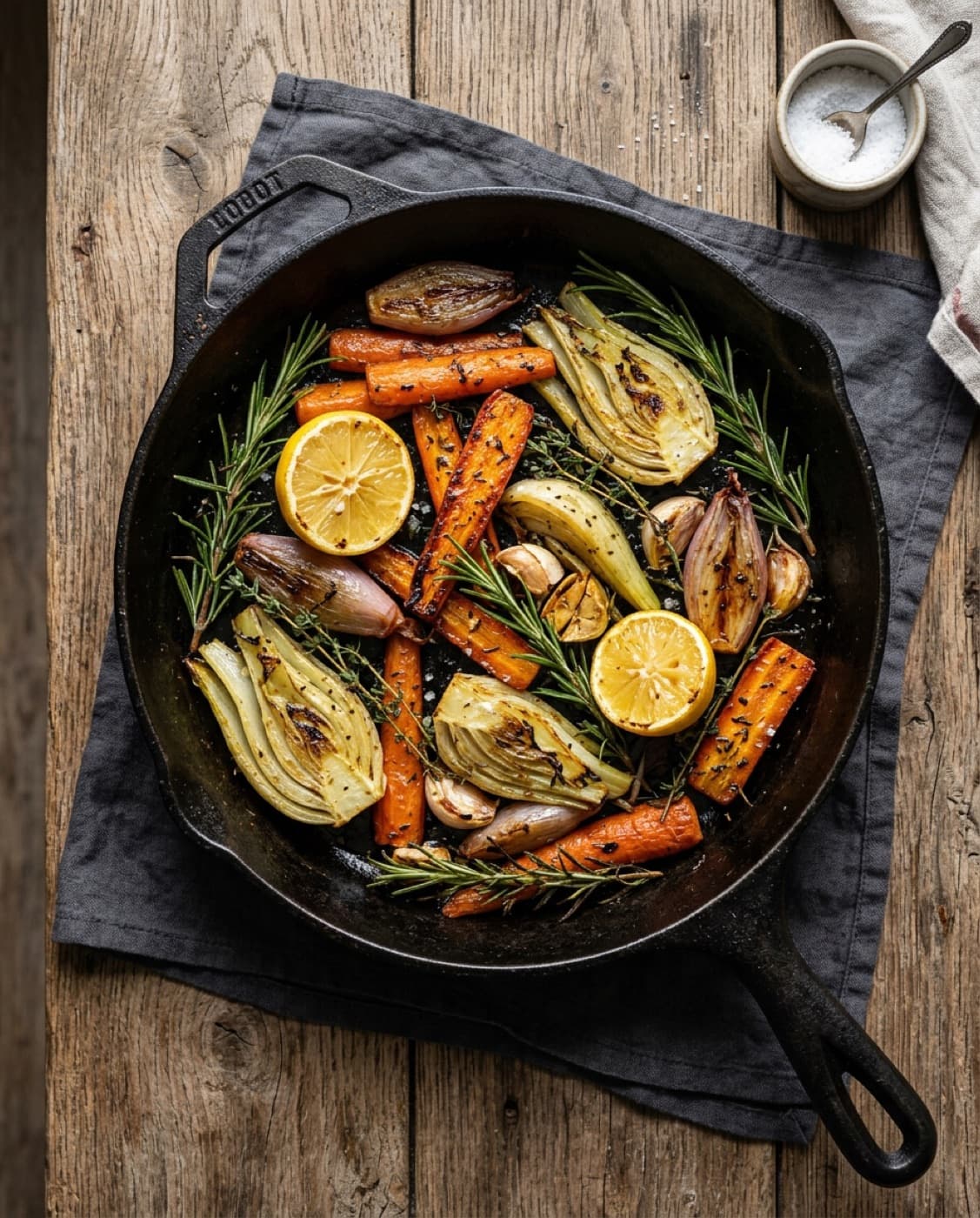
There is a particular kind of dinner — the sort that begins with a single pan and ends with the gentle clink of a fork against something good. No second skillet to wash. No fussy plating. Just heat, a few honest ingredients, and the patience to leave them alone.
We have been quietly obsessed with one-pan cooking for the past year. Partly because kitchens have gotten smaller. Partly because so much of what passes for weeknight food in food media is not, really. Mostly because the best meals tend to be the ones that ask the least of you.
Start with what wants to brown.
The trick — if there is one — is to give the pan a head start. Onions, shallots, fennel: anything that benefits from time in butter. Once those have softened and gone golden at the edges, the rest of dinner has a foundation to build on.
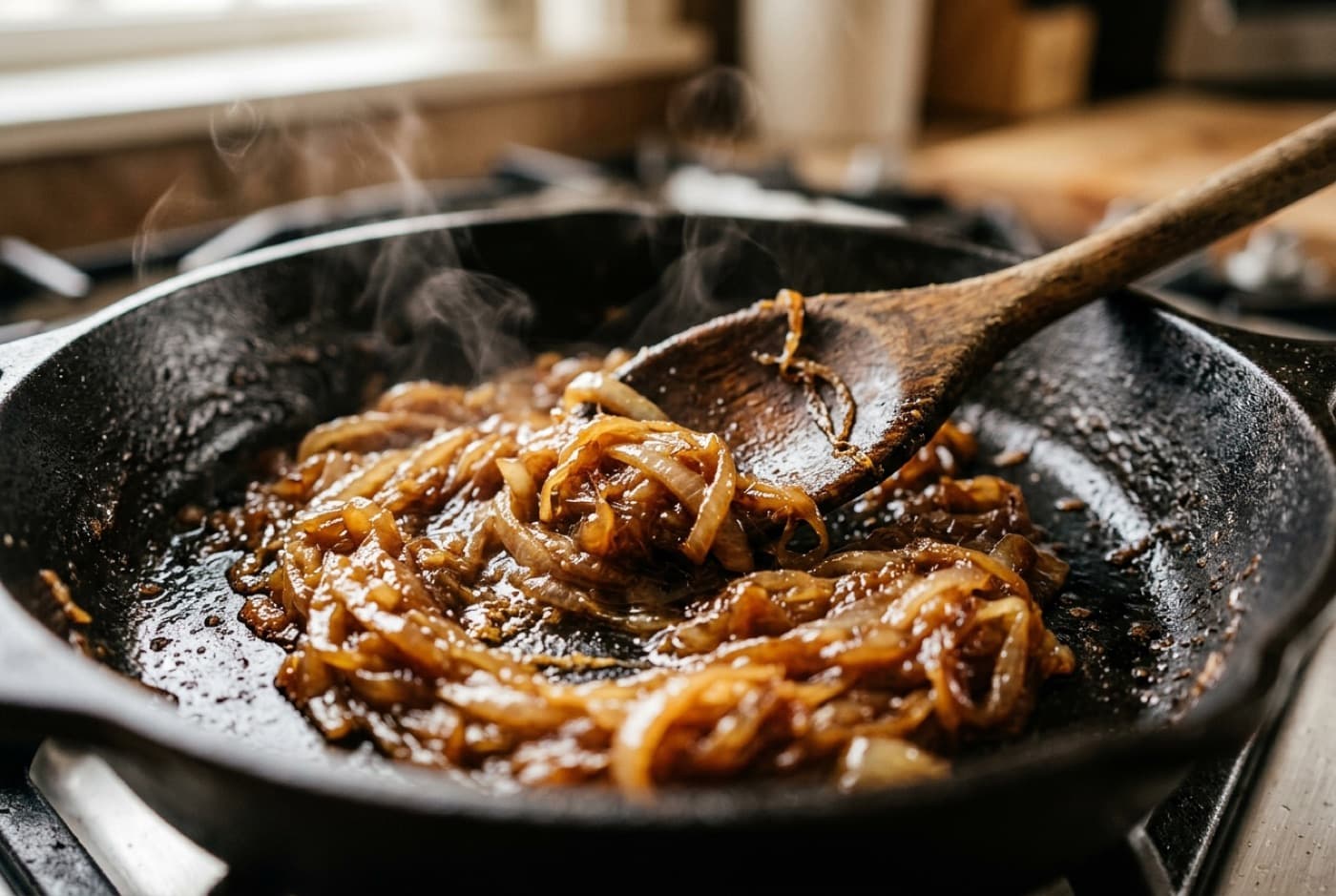
“A quiet kitchen is the sign of a good cook.”
Add what cooks slowly next. Root vegetables, sausage, cuts of chicken with skin on. Tuck in herbs — rosemary, thyme, sage if you have it. Resist the urge to stir; you will know better than the pan.
By the time the pan goes in the oven, dinner is mostly already happening. The rest is just waiting — and pouring something to drink while you do.